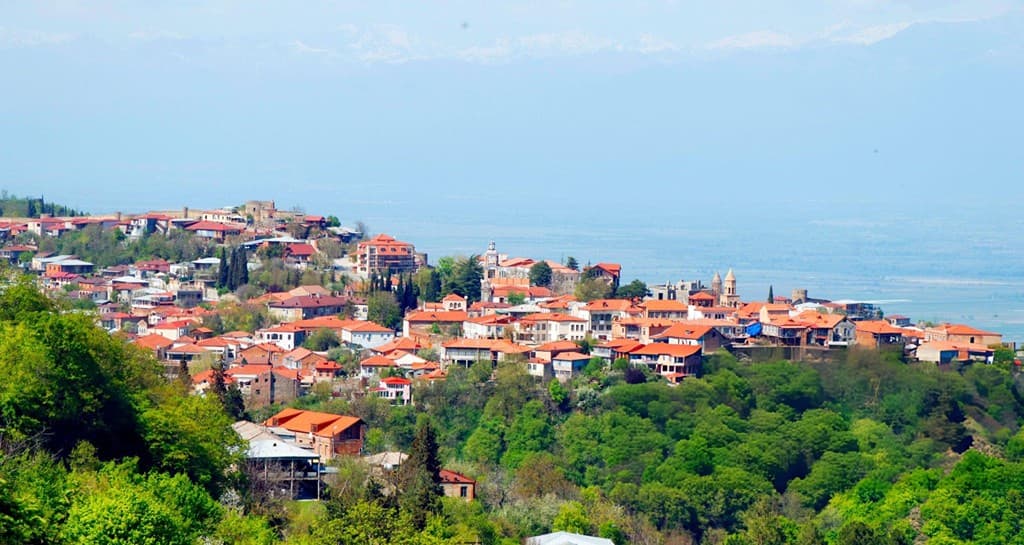
The northern route leading out of the capital brings travelers directly to the geographical nexus where the political, cultural, and spiritual identity of the nation was forged. Situated at the dramatic confluence of the muddy Mtkvari River and the crystalline, glacial Aragvi River, this ancient settlement served as the early Iberian kingdom's capital for nearly a millennium. It is a sacred landscape where ancient royal lineages eventually accepted a transformative spiritual dawn, permanently altering the historical trajectory of the South Caucasus. Moving through these quiet, cobblestone pathways introduces modern explorers to an atmosphere that feels heavily layered with early medieval legends, monumental masterworks, and an enduring sense of cultural resilience.
To truly understand the complex historical currents that continue to define the modern character of this nation, one must examine the monuments of this city-museum with deliberate patience. Every massive stone facade, subterranean crypt, and cliffside sanctuary provides a tangible link to a past defined by cultural synthesis and spiritual devotion. Navigating these highly significant UNESCO World Heritage sites with an expert guide ensures that you look past the surface structures to uncover the hidden narratives chiseled into the stone. For travelers eager to step directly into the living history of the early kingdom, embarking on one of the meticulously organized Mtskheta tours offers an unparalleled journey into the very heart of Caucasian heritage.
The Architectural Pillars of the Spiritual Capital
The Monumental Scale of Svetitskhoveli
Standing as a colossal masterpiece of Eleventh-Century religious architecture, the towering sandstone walls of Svetitskhoveli Cathedral dominate the low-slung skyline of the ancient town center. Built by the legendary medieval architect Arsukisdze over the foundations of the country's very first fourth-century timber church, the cathedral remains a breathtaking monument of regional artistry and complex structural engineering. Walking around its expansive exterior fields reveals an intricate tapestry of stone carvings, mythological reliefs, and decorative vine motifs that reflect an artistic style bridging early Christian symbols and ancient pagan traditions. The sheer scale of the building reflects its historical status as the primary coronation and burial site for the local Bagrationi royal dynasty.
The Sacred Relics and Subterranean Legends
Stepping through the heavy wooden doorways into the vast, cool interior of the cathedral shifts the visitor's experience from visual admiration to profound historical contemplation. Local historical chronicles and oral traditions firmly hold that the seamless robe of Christ was brought to this exact site by a local Jewish merchant following the crucifixion in Jerusalem. According to the legend, his sister Sidonia died of sheer spiritual emotion while clutching the sacred garment, and she was buried here with the robe still tightly held in her arms. A magnificent, miraculous cedar tree subsequently grew over her grave, and its wood was later harvested to construct the foundational pillars of the original church, making the site an essential point of pilgrimage for generations of travelers.
The Cliffside Overlooks of the Sacred Confluence
The Geometric Perfection of Jvari Monastery
Perched dramatically on the crest of a sheer, jagged rocky cliff directly opposite the ancient town center is the iconic sixth-century Jvari Monastery. This architectural treasure represents the absolute pinnacle of early medieval cruciform design, featuring a perfectly balanced four-apsed structure that stands in flawless harmony with the rugged mountain topography. The ancient master builders selected stone blocks that perfectly matched the color and texture of the surrounding cliffs, creating a visual effect where the monastery appears to grow naturally out of the mountaintop. This sacred structure marks the exact location where Saint Nino erected a monumental wooden cross to symbolize the collapse of paganism and the dawn of the new state faith.
Looking Across the Intertwining Currents
Standing on the wind-swept stone terrace of Jvari Monastery provides visitors with one of the most celebrated and spiritually significant panoramic vistas in the entire Caucasus region. Looking straight down into the deep valley floor reveals the dramatic, clean visual boundary where the emerald green currents of the Aragvi River merge with the brownish, silt-heavy waters of the Mtkvari River. This mesmerizing natural meeting of waters, framed by the historic roofs of the ancient capital below and the rolling green hillsides above, has inspired generations of classical poets, travelers, and artists who have sought to capture the timeless serenity of this sacred landscape.
The Hidden Monasteries of the Forested Ridges
The Reclusive Chambers of Samtavro Convent
Just a short, peaceful walk from the central market lanes brings travelers into the quiet, walled garden complex of the Samtavro Monastic Estate. This historic sanctuary houses a charming, diminutive fourth-century chapel built on the precise site where Saint Nino lived, prayed, and healed the local population beneath a wild blackberry bush. The larger eleventh-century cathedral within the complex serves as a solemn royal necropolis, containing the stone tombs of King Mirian and Queen Nana, the historic monarchs who officially accepted the new faith. The peaceful, contemplative environment is carefully maintained by a resident cloistered community of nuns who continue the daily domestic and spiritual rituals that have sustained the sanctuary for centuries.
Escaping to the Desert Canyons of Shio-Mgvime
For those looking to venture beyond the standard tourist tracks, a short drive through the rugged, arid limestone canyons north of the town reveals the extraordinary isolation of the Shio-Mgvime Monastic Complex. Founded in the sixth century by Saint Shio, one of the celebrated Syrian Fathers who arrived to strengthen the Christian faith, this remote sanctuary clings tightly to the sheer, sandy-colored cliffs. Visitors can explore ancient, dark cave chambers chiseled by hand into the rock walls, including the deep underground dungeon where the reclusive monk lived as a strict hermit for fifteen years. Walking among these silent, historic stone structures surrounded only by the whistling canyon winds offers a powerful glimpse into the intense ascetic traditions that defined early monastic life in the Caucasus.
Confluence of the Sacred Rivers: Unveiling the Antiquities of Mtskheta Tours
The northern route leading out of the capital brings travelers directly to the geographical nexus where the political, cultural, and spiritual identity of the nation was forged. Situated at the dramatic confluence of the muddy Mtkvari River and the crystalline, glacial Aragvi River, this ancient settlement served as the early Iberian kingdom's capital for nearly a millennium. It is a sacred landscape where ancient royal lineages eventually accepted a transformative spiritual dawn, permanently altering the historical trajectory of the South Caucasus. Moving through these quiet, cobblestone pathways introduces modern explorers to an atmosphere that feels heavily layered with early medieval legends, monumental masterworks, and an enduring sense of cultural resilience.
To truly understand the complex historical currents that continue to define the modern character of this nation, one must examine the monuments of this city-museum with deliberate patience. Every massive stone facade, subterranean crypt, and cliffside sanctuary provides a tangible link to a past defined by cultural synthesis and spiritual devotion. Navigating these highly significant UNESCO World Heritage sites with an expert guide ensures that you look past the surface structures to uncover the hidden narratives chiseled into the stone. For travelers eager to step directly into the living history of the early kingdom, embarking on one of the meticulously organized Mtskheta tours offers an unparalleled journey into the very heart of Caucasian heritage.
The Architectural Pillars of the Spiritual Capital
The Monumental Scale of Svetitskhoveli
Standing as a colossal masterpiece of Eleventh-Century religious architecture, the towering sandstone walls of Svetitskhoveli Cathedral dominate the low-slung skyline of the ancient town center. Built by the legendary medieval architect Arsukisdze over the foundations of the country's very first fourth-century timber church, the cathedral remains a breathtaking monument of regional artistry and complex structural engineering. Walking around its expansive exterior fields reveals an intricate tapestry of stone carvings, mythological reliefs, and decorative vine motifs that reflect an artistic style bridging early Christian symbols and ancient pagan traditions. The sheer scale of the building reflects its historical status as the primary coronation and burial site for the local Bagrationi royal dynasty.
The Sacred Relics and Subterranean Legends
Stepping through the heavy wooden doorways into the vast, cool interior of the cathedral shifts the visitor's experience from visual admiration to profound historical contemplation. Local historical chronicles and oral traditions firmly hold that the seamless robe of Christ was brought to this exact site by a local Jewish merchant following the crucifixion in Jerusalem. According to the legend, his sister Sidonia died of sheer spiritual emotion while clutching the sacred garment, and she was buried here with the robe still tightly held in her arms. A magnificent, miraculous cedar tree subsequently grew over her grave, and its wood was later harvested to construct the foundational pillars of the original church, making the site an essential point of pilgrimage for generations of travelers.
The Cliffside Overlooks of the Sacred Confluence
The Geometric Perfection of Jvari Monastery
Perched dramatically on the crest of a sheer, jagged rocky cliff directly opposite the ancient town center is the iconic sixth-century Jvari Monastery. This architectural treasure represents the absolute pinnacle of early medieval cruciform design, featuring a perfectly balanced four-apsed structure that stands in flawless harmony with the rugged mountain topography. The ancient master builders selected stone blocks that perfectly matched the color and texture of the surrounding cliffs, creating a visual effect where the monastery appears to grow naturally out of the mountaintop. This sacred structure marks the exact location where Saint Nino erected a monumental wooden cross to symbolize the collapse of paganism and the dawn of the new state faith.
Looking Across the Intertwining Currents
Standing on the wind-swept stone terrace of Jvari Monastery provides visitors with one of the most celebrated and spiritually significant panoramic vistas in the entire Caucasus region. Looking straight down into the deep valley floor reveals the dramatic, clean visual boundary where the emerald green currents of the Aragvi River merge with the brownish, silt-heavy waters of the Mtkvari River. This mesmerizing natural meeting of waters, framed by the historic roofs of the ancient capital below and the rolling green hillsides above, has inspired generations of classical poets, travelers, and artists who have sought to capture the timeless serenity of this sacred landscape.
The Hidden Monasteries of the Forested Ridges
The Reclusive Chambers of Samtavro Convent
Just a short, peaceful walk from the central market lanes brings travelers into the quiet, walled garden complex of the Samtavro Monastic Estate. This historic sanctuary houses a charming, diminutive fourth-century chapel built on the precise site where Saint Nino lived, prayed, and healed the local population beneath a wild blackberry bush. The larger eleventh-century cathedral within the complex serves as a solemn royal necropolis, containing the stone tombs of King Mirian and Queen Nana, the historic monarchs who officially accepted the new faith. The peaceful, contemplative environment is carefully maintained by a resident cloistered community of nuns who continue the daily domestic and spiritual rituals that have sustained the sanctuary for centuries.
Escaping to the Desert Canyons of Shio-Mgvime
For those looking to venture beyond the standard tourist tracks, a short drive through the rugged, arid limestone canyons north of the town reveals the extraordinary isolation of the Shio-Mgvime Monastic Complex. Founded in the sixth century by Saint Shio, one of the celebrated Syrian Fathers who arrived to strengthen the Christian faith, this remote sanctuary clings tightly to the sheer, sandy-colored cliffs. Visitors can explore ancient, dark cave chambers chiseled by hand into the rock walls, including the deep underground dungeon where the reclusive monk lived as a strict hermit for fifteen years. Walking among these silent, historic stone structures surrounded only by the whistling canyon winds offers a powerful glimpse into the intense ascetic traditions that defined early monastic life in the Caucasus.